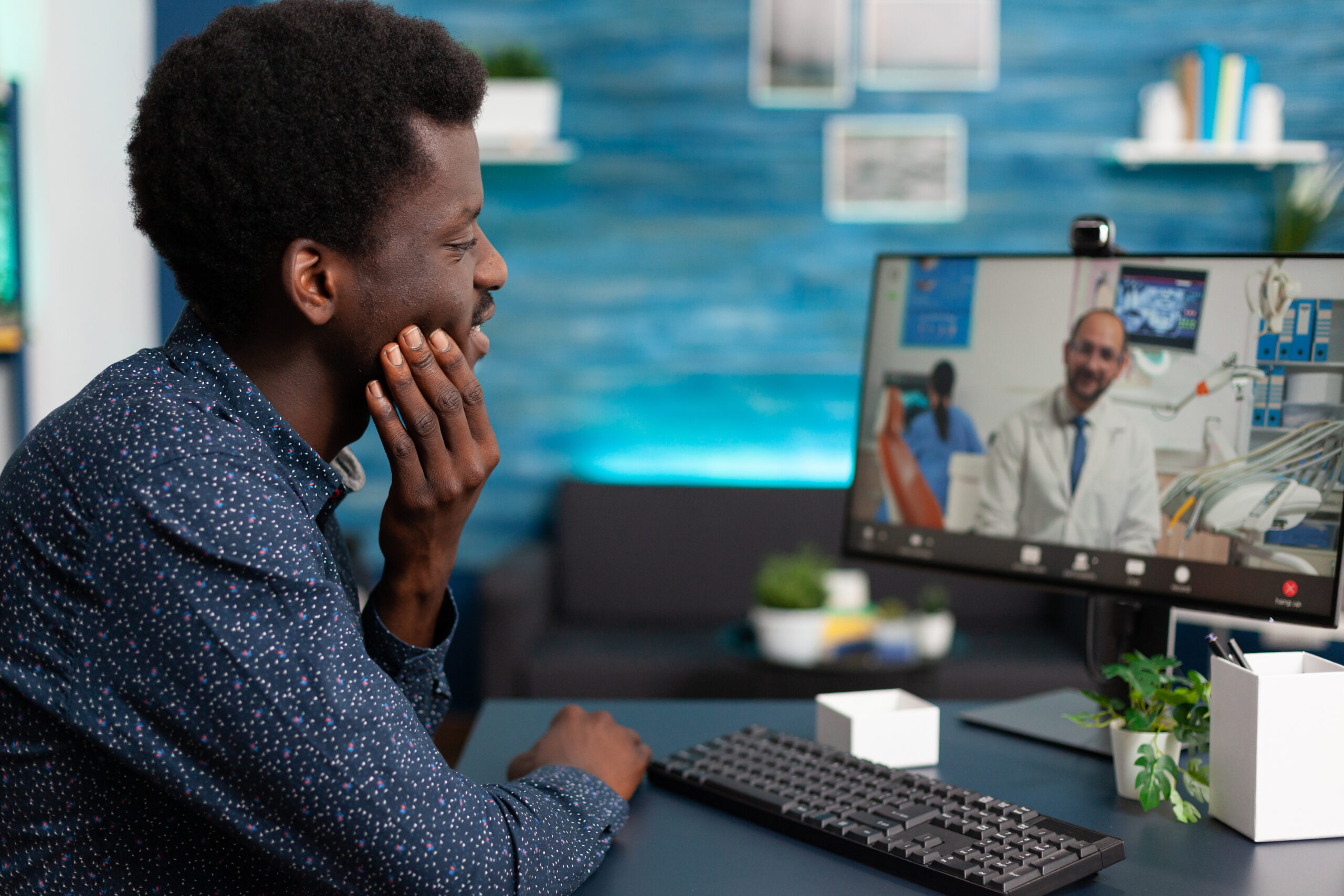
Online Therapy, In-Person Counseling, Mental Health Tips, Telehealth Services
If you’re wondering “Online Therapy vs In-Person Therapy — Which Works Better?”, you’re definitely not alone. More people today are actively thinking about starting therapy, but choosing between online and traditional in-office sessions is often a confusing decision. Should you stick with the familiar comfort of face-to-face therapy? Or embrace the convenience, privacy, and flexibility of online sessions?
This is a genuine challenge, particularly considering that online therapy has gained widespread acceptance and — based on various research findings — is frequently just as effective as in-person therapy for numerous mental health issues. The reality is this: the format you select does have significance. Factors such as your comfort level, personal schedule, privacy requirements, mental health objectives, and even your personality will influence which type of therapy is best suited to support you. This guide clearly and relateably compares online therapy and in-person therapy, backed by research, to help you make a decision that fits your circumstances.
Check Out:
Online Therapy vs In-Person Therapy: Understanding the Core Differences
Before deciding which format is “better,” it’s important to understand what makes each one unique. The goal isn’t to crown a winner, but to highlight what works for different people and different situations.
What Online Therapy Is (Online Therapy vs In-Person Therapy)
Online therapy — sometimes called teletherapy — refers to counseling performed remotely through technology. Sessions can happen via:
-
Video calls
-
Audio (phone) calls
-
Text-based chat
-
Secure messaging
-
Mobile therapy platforms
-
Email check-ins
Many therapists now offer both virtual and in-office options, and digital platforms like BetterHelp and Talkspace have made therapy far more accessible.
A detailed summary from the American Psychological Association confirms that online therapy, especially Cognitive Behavioral Therapy (CBT), is effective for treating anxiety, depression, PTSD, and other emotional conditions — often matching the outcomes of in-person therapy.
online cognitive behavioral therapy delivers measurable improvement comparable to office-based sessions (APA)
https://www.apa.org/monitor/2020/07/cover-telehealth
This evidence has significantly shifted how therapy is viewed. Online sessions are no longer seen as a “less serious” alternative — for many people, they are the primary and preferred option.
What In-Person Therapy Is (Online Therapy vs In-Person Therapy)
In-person therapy is the traditional model: you visit a therapist’s office, sit face-to-face, and engage in structured conversations. This format has been used for decades and offers certain advantages that technology can’t fully replicate:
-
Clearer interpretation of body language
-
A more controlled environment
-
Stronger emotional presence
-
Ideal for hands-on therapeutic methods like EMDR or exposure therapy
Many people assume in-office therapy is automatically better, but modern research suggests otherwise. A randomized controlled trial published through NIH found that online CBT produced equivalent results for depression and anxiety compared to in-person treatment.
The gap between online and in-person effectiveness is far smaller than many expect.
Why More People Are Comparing Online Therapy vs In-Person Therapy
Mental-health care has dramatically changed since 2020. What used to be a niche alternative is now a normal part of life. Today:
-
1 in 3 therapy sessions are conducted online
-
Many therapists operate hybrid schedules
-
Online therapy platforms are widely trusted
-
Insurance companies increasingly cover telehealth
-
Clients receive more flexible scheduling options
The question is no longer:
“Is online therapy legit?”
Instead, the real question has become:
“Which type of therapy fits my mental-health needs, lifestyle, and personality?”
Online Therapy vs In-Person Therapy: Comparison Table
Below is a clear, easy-to-understand comparison of both formats:
| Category | Online Therapy | In-Person Therapy |
|---|---|---|
| Convenience | Very high — attend from anywhere | Moderate — requires travel |
| Cost | Usually cheaper; flexible plans | Typically higher per session |
| Privacy | High (if home is private) | High, but requires public travel |
| Effectiveness | Equal for many mental-health conditions | Superior for severe/complex disorders |
| Comfort Level | Ideal for anxious or shy clients | Great for those who prefer real presence |
| Access to Specialists | Nationwide availability | Limited to local therapists |
| Technology Needs | Requires internet/device | No tech required |
| Best For | Anxiety, depression, stress, busy schedules | Trauma, addiction, severe illness |
Online Therapy vs In-Person Therapy: Which Works Better for You?
Let’s break it down category by category so you can decide based on your personal situation.
1. Effectiveness — Online Therapy vs In-Person Therapy
Online Therapy Effectiveness
Research shows online therapy is highly effective for:
-
Anxiety
-
Depression
-
PTSD
-
Panic disorder
-
Social anxiety
-
General stress
-
Emotional regulation challenges
Online CBT, in particular, has shown “clinically significant improvement,” according to the APA.
Another analysis cited by Verywell Health notes that online sessions tend to improve consistency, because clients are less likely to miss appointments when they don’t need to travel.
Consistency is one of the most important predictors of therapy success.
In-Person Therapy Effectiveness
In-person treatment tends to be superior for:
-
Complex mental disorders
-
Schizophrenia and psychosis
-
Substance-abuse recovery
-
Severe PTSD or dissociation
-
High-risk clients
-
Cases requiring close observation
Hands-on approaches like EMDR, exposure therapy, and somatic therapies also work best in person.
Verdict
For everyday mental-health struggles like anxiety, depression, stress, and relationship issues, both formats work equally well.
For complex psychiatric concerns, in-person therapy is the better choice.
2. Cost Comparison — Online Therapy vs In-Person Therapy
Cost plays a major role in why online therapy has become so popular.
Online Therapy Costs
Online therapy tends to be:
-
40%–60% cheaper
-
Subscription-based (monthly plans)
-
Inclusive of live video + messaging
-
Flexible with payment structures
-
Sometimes covered by insurance
-
Free from travel or transportation expenses
GoodRx Health reports that online therapy typically costs $60–$90 per session, while in-person therapy often ranges between $120–$200 or more.
online therapy tends to cost significantly less (GoodRx Health)
In-Person Therapy Costs
In-office therapy is often more expensive because of:
-
Office rent
-
Travel time
-
Higher session fees
-
Limited schedule flexibility
-
Additional administrative costs
Verdict:
If budget is a major concern, online therapy may be the smarter and more sustainable choice.
3. Privacy & Comfort — Online Therapy vs In-Person Therapy
Different people feel safe in different environments.
Online Therapy Pros
-
No need to sit in a waiting room
-
Talk from your bedroom, car, or private space
-
Great for introverted or shy clients
-
Reduces social anxiety
-
Offers a sense of anonymity
-
No risk of being recognized entering a clinic
In-Person Therapy Pros
-
Controlled, confidential office environment
-
No fear of family members hearing
-
Ideal for people living in crowded homes
-
Professional surroundings help some people open up
Verdict:
If your home environment is quiet and private, online therapy offers unmatched comfort. If home is noisy or busy, in-person may feel more secure.
4. Accessibility — Online Therapy vs In-Person Therapy
Online Therapy Benefits
-
Ideal for rural residents
-
Perfect for people without reliable transportation
-
Allows access to specialists across the country
-
Reduces wait time for appointments
-
Extremely helpful for people with disabilities
-
Works well for students and professionals with tight schedules
In-Person Therapy Benefits
-
Better for people who dislike relying on technology
-
Required for severe psychiatric conditions
-
A structured environment that encourages focus
Verdict:
If you’ve struggled to find the right therapist locally, online therapy may be life-changing.
5. Flexibility — Online Therapy vs In-Person Therapy
Online Flexibility
-
Weekend availability
-
Evening sessions
-
Easier cancellations
-
Messaging between appointments
-
Shorter micro-sessions available
-
Great for unpredictable schedules
In-Person Flexibility
-
Sessions feel more grounded
-
Fewer distractions
-
Helps maintain a consistent routine
Verdict:
People with busy schedules often find online therapy far more practical.
6. Building Rapport — Online Therapy vs In-Person Therapy
Online Rapport
Many online clients report feeling more open emotionally when comfortable at home. It can be especially helpful for:
-
First-time therapy clients
-
People with social anxiety
-
Younger adults
-
Busy professionals
In-Person Rapport
Some people feel deeply connected through:
-
Eye contact
-
Energy in the room
-
Body-language cues
-
Shared physical presence
Verdict:
If emotional connection is your top priority, in-person therapy may feel more grounding.
When Online Therapy Works Best
Choose online therapy if you:
-
Prefer convenience and flexibility
-
Have mild to moderate symptoms
-
Are on a budget
-
Prefer anonymity
-
Travel frequently or work long hours
-
Live in a rural area
-
Want a broader choice of therapists
-
Feel more comfortable opening up at home
-
Prefer texting or virtual communication
When In-Person Therapy Works Best
Choose in-person therapy if you:
-
Have severe or complex symptoms
-
Experience hallucinations or delusions
-
Have a history of severe self-harm
-
Need trauma-focused modalities
-
Prefer physical presence
-
Dislike screens
-
Need a highly structured environment
Choosing the Right Format: Questions to Ask Yourself
Use these questions as a guide:
-
What type of symptoms do I experience?
-
Mild or moderate → Online works well
-
Severe → In-person recommended
-
-
What is my budget?
-
Limited → Online is usually more affordable
-
-
How private is my home?
-
Quiet home → Online
-
Busy home → In-person
-
-
Which environment helps me open up?
-
Relaxed at home → Online
-
Need structure → In-person
-
-
How flexible is my schedule?
-
Unpredictable → Online
-
Consistent → Either works
-
The Final Verdict: Online Therapy vs In-Person Therapy — Which Works Better?
Here’s the honest truth:
Neither format is universally better.
The right choice depends on you.
Online therapy is best for:
-
Convenience
-
Affordability
-
Flexible schedules
-
Mild to moderate symptoms
-
Comfort and privacy
-
People needing access to multiple specialists
In-person therapy is best for:
-
Severe or complex mental-health conditions
-
Trauma-focused treatment
-
People who prefer face-to-face connection
-
Clients needing close observation
Both formats can help you become more emotionally grounded, resilient, self-aware, and mentally stronger. What matters most is starting therapy, not the format you choose.
Your mental health deserves care.
Your emotional well-being deserves attention.
And whichever path you choose — online or in-person — you’re making a powerful step toward healing.
Related Posts: